
Female sanitary products... Their label is ironic considering the word 'sanitary' refers to being clean. Modern day sanitary products are anything but 'clean' - laden with harmful chemicals and health concerns. What are you putting in (or on) your body? This is probably not something many of you have thought about previously hey. You see, …

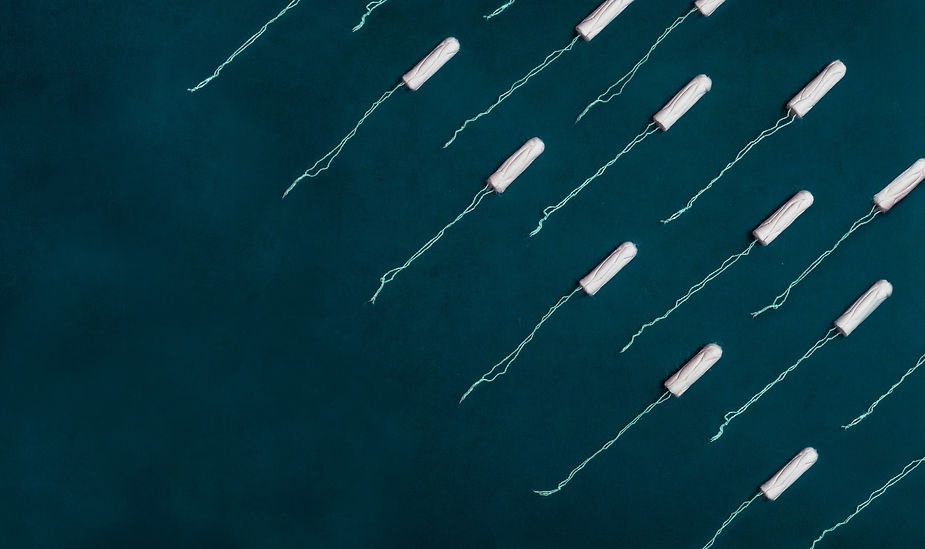
Female sanitary products…
Their label is ironic considering the word ‘sanitary’ refers to being clean. Modern day sanitary products are anything but ‘clean’ – laden with harmful chemicals and health concerns.
What are you putting in (or on) your body? This is probably not something many of you have thought about previously hey.
You see, it’s kind of a BIG DEAL, although we are led to believe it’s not from the age we reach menstruation. The scary part is that this particular industry does not have to list ingredients in their products and offer minimal advice on their packaging about the risks involved in their use.
So I am doing it here instead – so that you can understand the health risks involved for yourself and the planet in using these products and make your own informed decision.
Let’s start with the ingredients first…
INGREDIENTS
Rayon is the main ingredient in most generic makes of pads and tampons.
Rayon is made from a natural fibre cellulose, however, undergoes chemical processing involving carbon disulphide, sulphuric acid, chlorine and caustic soda. These chemicals can cause headaches, vomiting, nausea and chest pains among many other nasty side effects.
Additionally, female hygiene products are bleached, producing the chemical dioxin, which has been linked to illness such as breast cancer and endometriosis. Dioxin is a known carcinogenic (cancer producing) compound found in many processed products.
Fragrances are another ingredient, which a lot of women already know is a big NO-NO around your vijay-jay! Why? Because certain fragrances can:
· Adjust the pH of your vagina
· Cause changes to your microbiome
· Causing it to become it vulnerable to yeast and bacterial infections
· Causing potential issues with conception.
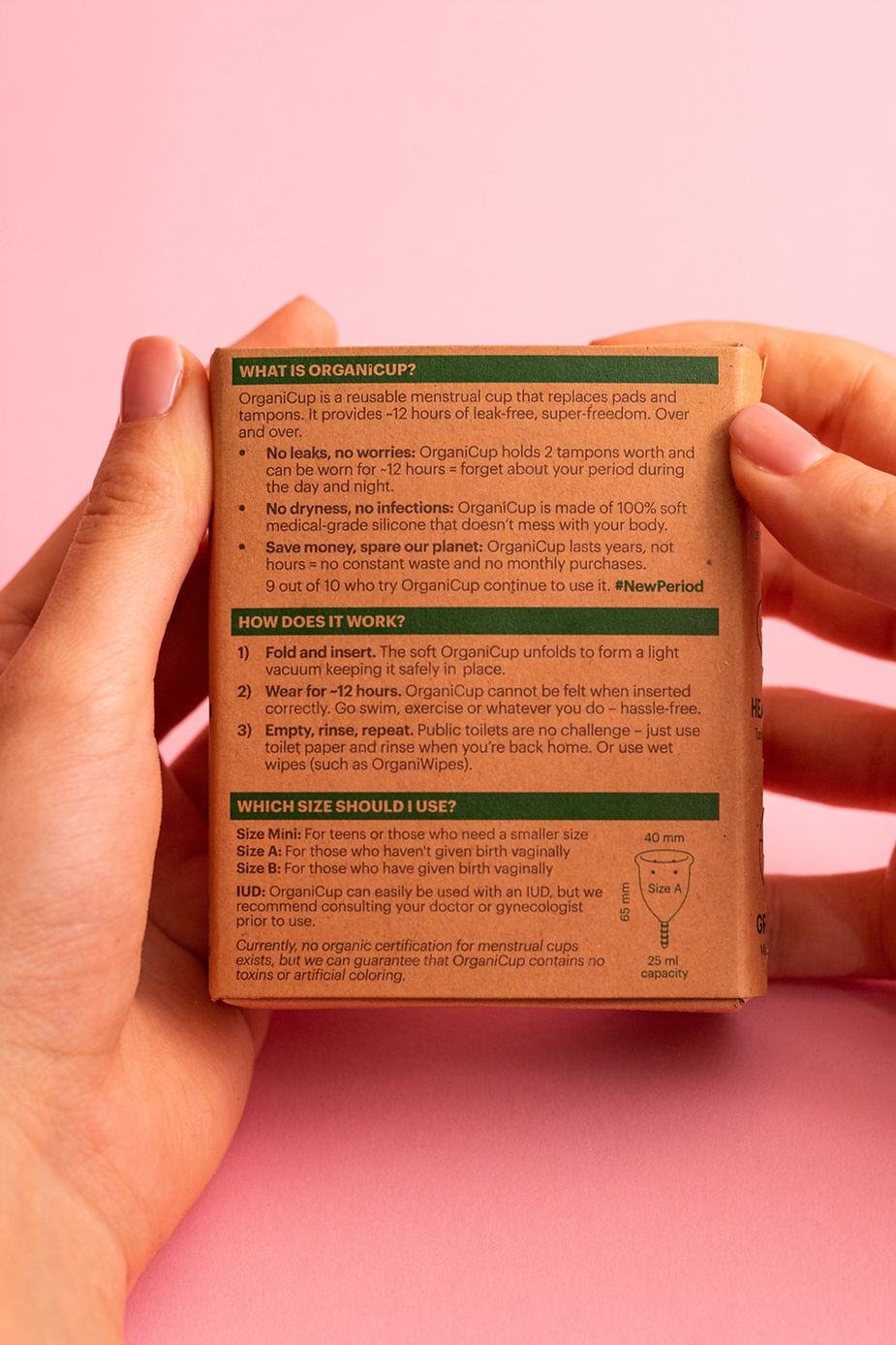
FUNCTIONAL ISSUES
As well as the nasties they are made with, functionally, tampons particularly have been known to cause:
· Retrograde bleeding – which continues on to create internal bacterial infections from old menstrual blood unable to escape
· Micro lacerations (small wounds) – each time you insert one or pull one out, leaving your vagina vulnerable to opportunistic bacteria
· Change the pH of your vagina – by absorbing excessive moisture in the area
and
· Leave chemical residues in your vagina by loose fibres remaining inside your body after removal
If that is not enough to convince you to find alternatives, you are a hard task master.
These days there are a number of other menstrual product considerations on the market.
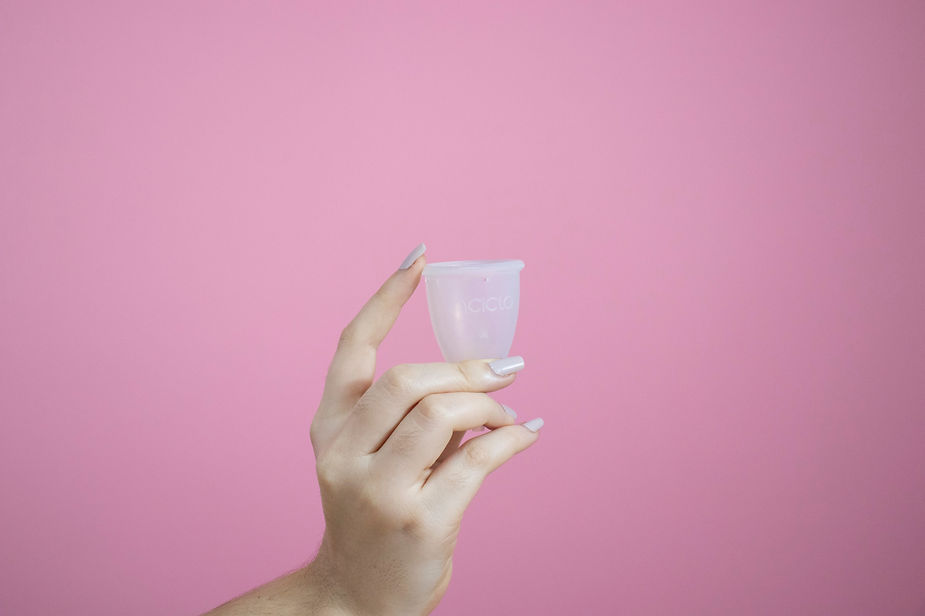
Have you tried a menstrual cup?
Or perhaps period underwear?
Or cloth pads?
It is amazing to see that women are slowly becoming more conscious of what they put in their bodies, and this includes their hygiene products.
Because of this, these newly created products are slowly dominating this market. They offer comfortable, safe, natural, sustainable options to women.
Your choice is important. And if not for yourself, for the Earth.